First Things to Do When Starting Dairy-Free Breastfeeding
If you’re considering dairy-free breastfeeding, you’re not alone. Many moms explore eliminating dairy to help with baby reflux, eczema, fussiness, or suspected milk protein intolerance. If you’re wondering where to begin, here are the first steps to take to make the transition smooth, manageable, and sustainable.
1. Talk to Your Pediatrician First
Before making any major dietary changes, discuss your concerns with your pediatrician. Some pediatricians may recommend trying a dairy-free diet right away, while others may suggest monitoring symptoms first to see if they resolve on their own.
Every baby is different. Having professional guidance can give you clarity and confidence as you begin your dairy-free breastfeeding journey.
2. Communicate With Your Household
Once you decide to try breastfeeding without dairy, let everyone in your household know what’s going on. Dairy can sneak into your meals in big and small ways if you’re not communicating clearly.
For example:
- Does your partner make you coffee and add regular creamer?
- Does your son love to share his cookies?
- Did someone add butter to the noodles to keep them from sticking?
Clear communication helps prevent accidental slip-ups and keeps everyone on the same page.
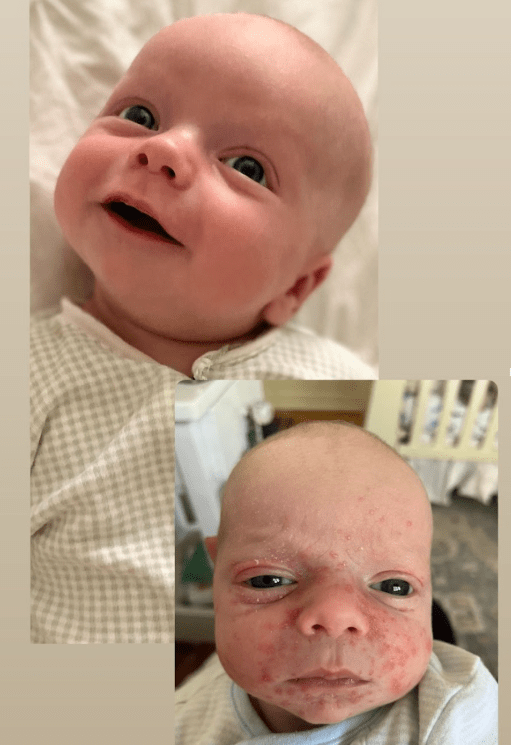
3. Take “Before” Photos of Your Baby
This step is very important.
Take clear photos of your baby in the exact same spot with the same lighting. These pictures will help you compare any changes in their skin, rashes, or overall appearance once you eliminate dairy.
These photos are also helpful to show your pediatrician as a reference point. Good before-and-after comparisons can help you determine whether dairy was truly a trigger.
You may also want to keep a simple journal. Track:
- Skin changes
- Overall mood
- Sleep patterns
- Feeding behavior
This can be incredibly helpful throughout your dairy-free breastfeeding journey.
4. Create a First-Week Dairy-Free Meal Plan
The first week can feel overwhelming, so make it simple.
Either create a basic dairy-free meal plan or use a pre-made one. Focus on meals that are naturally dairy-free rather than trying to overhaul your entire diet with complicated substitutions right away.
The goal for week one is survival and consistency—not perfection.
Keep it simple. Keep it doable.
5. Make a Few Easy Swaps Right Away
To make dairy-free breastfeeding sustainable, choose a few key swaps that help you still enjoy your daily routine.
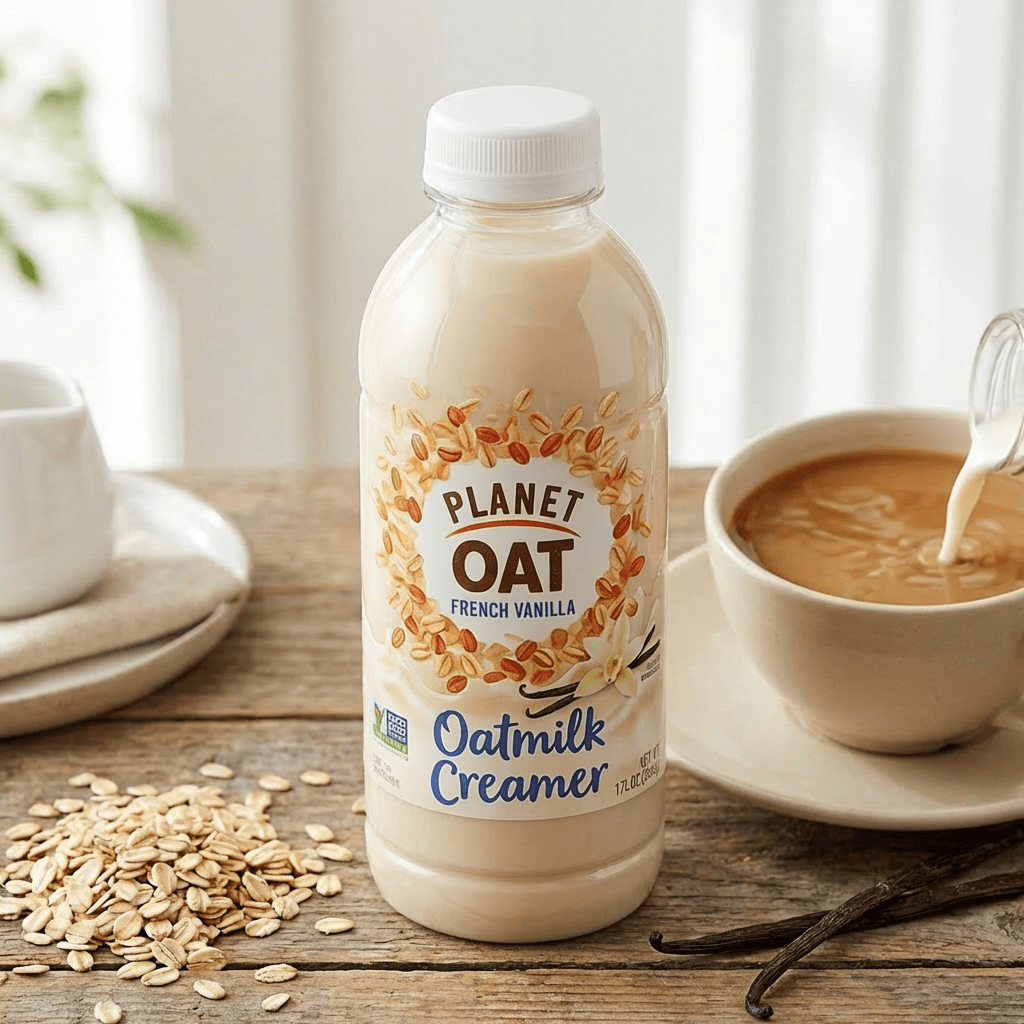
Swap #1: Dairy-Free Coffee Creamer
After long nights of nursing, a good cup of coffee matters.
After trying many options, one of the best-tasting dairy-free creamers that offers richness similar to traditional creamers is:
- Planet Oat – French Vanilla
If you previously used milk or creamers like:
- Starbucks Caramel Macchiato Creamer
- International Delight Sweet Cream
- Coffee-Mate
You may find oat-based creamers to be the closest match in thickness and flavor.
As an added bonus, consider switching to oat milk instead of almond milk in your coffee. Oat milk tends to be creamier and more similar to cow’s milk in texture.
Swap #2: Dairy-Free Ice Cream
This one might surprise you—but dairy-free ice cream can be a lifesaver.
There will be moments when you feel deprived—at parties, family gatherings, or just during a long day. Knowing you have a treat waiting at home makes a huge difference.
One of the best dairy-free ice cream options is:
- Ben & Jerry’s Non-Dairy flavors
They offer a variety of delicious options. Choosing a flavor similar to what you already love makes the transition easier. Many moms find they don’t even miss traditional ice cream.
Bonus Treat: Oreos
Here’s a fun surprise:
- Oreo cookies are dairy-free.
Yes, the cream filling is dairy-free. They make the perfect late-night treat after nursing all day and finally putting your feet up.
The key in week one is simply having something enjoyable to look forward to.
What to Expect During the First Week of Dairy-Free Breastfeeding
If dairy is the issue, many moms notice improvement within one week. For most mothers, notice a big change within about two weeks
If you begin seeing positive changes:
- Continue with dairy-free swaps
- Explore new dairy-free meal ideas
- Find stores that carry your favorite dairy-free products
- Expand into fun dairy-free desserts and recipes
Progress, not perfection, is the goal.
Final Encouragement
You can do this.
Dairy-free breastfeeding may feel overwhelming at first, but with a little planning, communication, and a few enjoyable swaps, the first week becomes much more manageable.
If you have tips or favorite swaps that helped you, comment below and share them with other moms walking this same journey!
FAQ: Starting Dairy-Free Breastfeeding
How strict do I need to be when starting dairy-free breastfeeding?
You need to eliminate all sources of dairy completely. Even small amounts of milk, butter, cheese, or hidden dairy ingredients can affect results. For the first two weeks, strict consistency helps you determine whether dairy is contributing to your baby’s symptoms.
What happens if I accidentally eat dairy while breastfeeding?
If you accidentally eat dairy, return to your dairy-free diet immediately. One slip does not undo all progress, but it may temporarily trigger symptoms. Consistency moving forward is what matters most when starting dairy-free breastfeeding.
How long should I try dairy-free breastfeeding before deciding if it’s working?
Most moms try dairy-free breastfeeding for at least two weeks before evaluating results. Some babies improve within days, while others need more time. Staying consistent during this period is essential for accurate results.
Do I need to read ingredient labels carefully?
Yes. Dairy can appear under names like whey, casein, milk solids, and butterfat. Reading labels carefully is one of the most important steps when starting a dairy-free breastfeeding diet.


 Dairy-Free Breastfeeding
Leave a comment