If you’re navigating dairy-free breastfeeding, you’re already doing so much to support your baby’s health. It can feel overwhelming at times, learning new ingredients, adjusting your meals, and making sure you are still nourishing your body well.
But there is one nutrient that often gets overlooked in the process: vitamin B12.
B12 plays a critical role in your baby’s development, especially for the brain and nervous system. And when dairy is removed from your diet, it is important to make sure you are still getting enough.
Let’s walk through this together in a simple, reassuring way.
Why Vitamin B12 Matters During Breastfeeding
Vitamin B12 is essential for both you and your baby. It supports:
- Brain development
- Nervous system function
- Red blood cell formation
- DNA synthesis
During breastfeeding, your baby relies entirely on your nutrient levels. That means the amount of B12 in your breastmilk reflects what your body has available.
If your levels are low, your breastmilk levels can be lower as well.
The good news is that this is something you can easily support once you are aware of it.
Does Going Dairy-Free Increase Risk of B12 Deficiency?
Here is the honest answer: it can, but it does not always.
Dairy products like milk, cheese, and yogurt do contain vitamin B12. However, they are considered moderate sources, not the most concentrated. Many women unknowingly rely on dairy as a consistent daily contributor, so removing it can reduce overall B12 intake if other sources are not increased.
Vitamin B12 is primarily found in:
- Meat
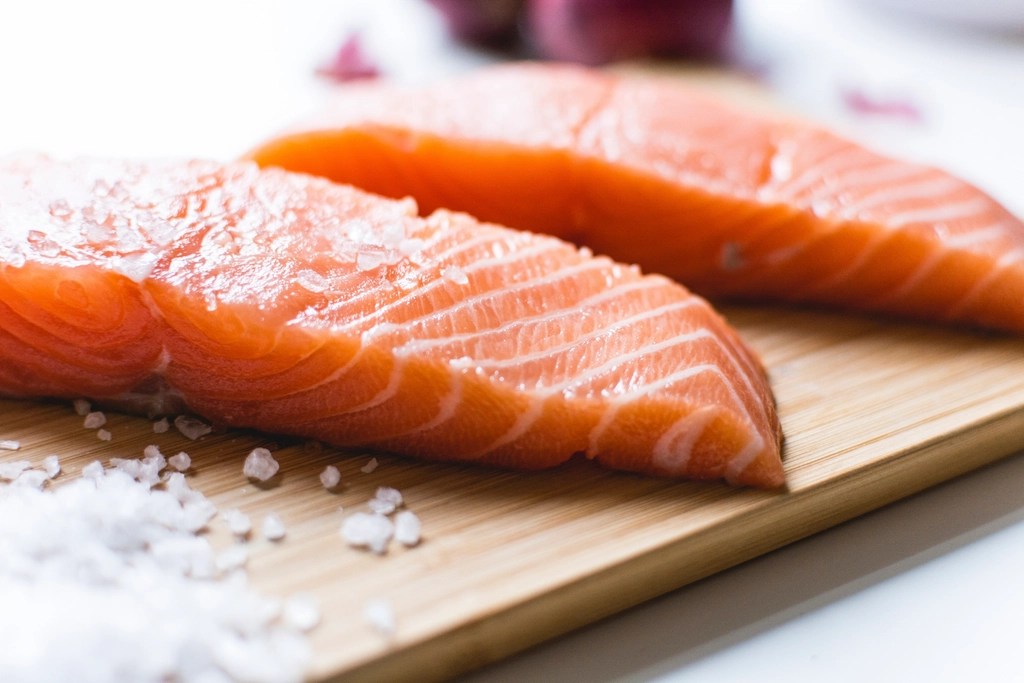
- Fish
- Eggs
- Fortified foods
So if you are still eating animal products regularly, you may still be getting enough.
However, if your dairy-free diet also becomes:
- Lower in animal products
- More restrictive due to sensitivities
- Or simply inconsistent during the busy postpartum season
Then your B12 intake can quietly drop over time without you realizing it.
B12 Content: Dairy vs Other Foods (Quick Comparison)
Here is a simple look at how dairy compares to other common B12 sources:
| Food | Serving Size | Approx. B12 (mcg) |
|---|---|---|
| Milk | 1 cup | ~1.2 mcg |
| Yogurt | 1 cup | ~1.0–1.4 mcg |
| Cheese | 1 oz | ~0.2–0.5 mcg |
| Eggs | 2 large | ~1.1 mcg |
| Chicken | 3 oz | ~0.3 mcg |
| Beef | 3 oz | ~2–3 mcg |
| Salmon | 3 oz | ~4–5 mcg |
| Fortified plant milk | 1 cup | ~1–3 mcg (varies) |
Breastfeeding daily need: approximately 2.8 mcg
As you can see, dairy can contribute meaningfully, but foods like fish and beef provide higher amounts in smaller servings.
Signs of Low B12 in Breastfeeding Moms
B12 deficiency can be subtle, especially during postpartum when you are already adjusting to so many changes.
Some signs to watch for include:
- Ongoing fatigue beyond typical postpartum tiredness
- Brain fog or difficulty focusing
- Tingling in hands or feet
- Mood changes
- Weakness
Because these symptoms can overlap with normal recovery, it is easy to overlook them.
How Low B12 Can Affect Breastfed Babies
This is where B12 becomes especially important.
If a baby is not getting enough B12 through breastmilk, it may affect:
- Brain development
- Muscle tone
- Feeding patterns
- Overall growth
In more severe cases, deficiency can lead to neurological concerns.
This is not meant to alarm you, only to gently emphasize how important it is to support your own intake. When addressed early, outcomes are very positive.
Best Dairy-Free Sources of Vitamin B12
If you are dairy-free and breastfeeding, here are simple ways to support your B12 levels:
Animal-Based Sources (Best Absorption)
- Beef
- Chicken
- Turkey
- Salmon
- Tuna
- Eggs
Fortified Dairy-Free Options
- Fortified plant milks such as almond, oat, or soy
- Nutritional yeast with added B12
- Fortified cereals
Tip: Always check labels, as not all dairy-free products are fortified.
Should You Take a B12 Supplement While Breastfeeding?
Some moms benefit from a supplement, especially if:
- You are dairy-free and not eating many animal products
- You follow a vegetarian or vegan diet
- You are experiencing symptoms of low B12
- Your healthcare provider recommends it
Vitamin B12 supplements are generally considered safe during breastfeeding, but it is always best to talk with your healthcare provider before starting anything new.
How Much B12 Do Breastfeeding Moms Need?
The recommended daily intake for breastfeeding women is approximately:
2.8 micrograms per day
Because B12 is water-soluble, your body will use what it needs and eliminate the rest. This is why some supplements contain higher amounts.
Simple Ways to Support Your B12 Levels
You do not need to overcomplicate this. A few small habits can make a big difference:
- Include a B12-rich food daily
- Choose fortified dairy-free products when possible
- Take a quality postnatal vitamin if recommended
- Ask your doctor about testing your levels if you have concerns
Consistency matters more than perfection.
FAQ: B12 and Dairy-Free Breastfeeding
Do I need to supplement B12 if I cut out dairy?
Not necessarily. If you regularly eat meat, fish, or eggs, you may be getting enough. If not, a supplement may be helpful.
Can low B12 affect my breastmilk?
Yes. Breastmilk B12 levels reflect your own levels, so maintaining adequate intake is important.
Are plant-based diets safe while breastfeeding?
Yes, but they require careful planning to ensure adequate intake of nutrients like B12, iron, and omega-3s.
What is the easiest way to get enough B12?
Eating a mix of animal foods or fortified products, along with a supplement if needed, is the simplest approach.
Final Thoughts
Going dairy-free while breastfeeding is a big transition, and you are doing an incredible job learning how to support both your baby and yourself.
Vitamin B12 is just one piece of the puzzle, but it is an important one.
With a little awareness and a few intentional choices, you can feel confident that you are nourishing your body and supporting your baby’s development in a meaningful way.
Medical Disclaimer
This content is for informational purposes only and is not intended as medical advice. Always consult with your physician, pediatrician, or qualified healthcare provider regarding any questions about your health, your diet, or your baby’s health. Never disregard professional medical advice or delay seeking it based on information from this website.
References
- National Institutes of Health, Office of Dietary Supplements. Vitamin B12 Fact Sheet for Health Professionals. https://ods.od.nih.gov/factsheets/VitaminB12-HealthProfessional/
- Centers for Disease Control and Prevention. Vitamin B12 and Breastfeeding. https://www.cdc.gov/breastfeeding
- Dror DK, Allen LH. Vitamin B12 in Human Milk: A Systematic Review. Advances in Nutrition. 2018.
- American Academy of Pediatrics. Pediatric Nutrition Guidelines



Leave a comment