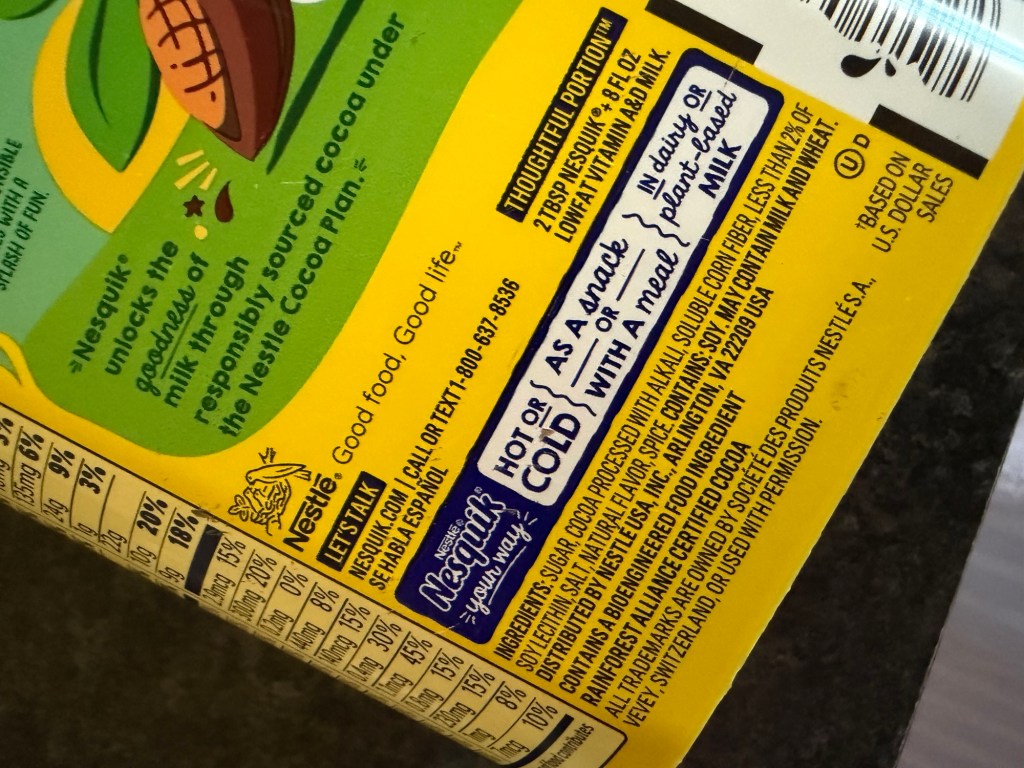
If you’ve started a dairy-free breastfeeding journey, you’ve probably found yourself staring at labels wondering:
“Is this safe… or not?”
Phrases like “may contain milk,” “made on shared equipment,” and “processed in a facility with dairy” can feel confusing and even a little scary.
You are not alone in this.
Let’s walk through what these labels actually mean, how they differ, and how to make confident choices without feeling overwhelmed.
Why These Labels Matter When Breastfeeding Dairy-Free
When you remove dairy while breastfeeding, it is often because your baby may be sensitive to cow’s milk protein.
Even small amounts of dairy proteins can matter for some babies, especially those with:
- Cow’s milk protein intolerance (CMPI)
- Allergies
- Reflux or digestive sensitivities
That is why understanding these labels can help you make more informed decisions.
Are These Labels Required by Law?
Here is something important to know:
In the United States, food manufacturers are required to clearly label major allergens, including milk, when they are intentionally used as ingredients.
However, advisory statements like:
- “May contain milk”
- “Made in a facility that processes milk”
- “Made on shared equipment with milk”
are not strictly regulated.
This means companies use them voluntarily, and wording can vary from brand to brand.
What Does “May Contain Milk” Mean?
“May contain milk” is one of the most cautious labels you will see.
It generally means:
- There is a risk of cross-contact during manufacturing
- Milk is not an intentional ingredient
- But trace amounts could be present
This type of label is often used when:
- Multiple products are made in the same facility
- Cleaning processes cannot guarantee zero cross-contact
How Strict Is This Warning?
It is considered the highest level of precautionary labeling.
For very sensitive babies, some moms choose to avoid these products entirely, especially early in their dairy-free journey.
What Does “Made on Equipment That Processes Milk” Mean?
This label indicates that:
- The same machines are used to produce both dairy and non-dairy products
- The equipment is cleaned between runs
- But there is still a risk of trace contamination
What This Means for You
This is generally considered a moderate level of risk.
Some moms find their babies tolerate products made on shared equipment, while others prefer to avoid them, especially during elimination phases.
What Does “Made in a Facility That Processes Milk” Mean?
This label typically means:
- The product is made in a building where dairy is also processed
- But not necessarily on the same equipment
Important Distinction
This is usually considered the lowest level of risk among the three.
Cross-contact is still possible, but less likely than shared equipment scenarios.
Quick Comparison: What Do These Labels Really Mean?
| Label | What It Means | Level of Risk |
|---|---|---|
| May contain milk | Possible trace contamination, unclear source | Highest |
| Made on shared equipment | Same machines used, cleaned between uses | Moderate |
| Made in a facility | Same building, different equipment possible | Lowest |
Which Labels Should You Avoid While Breastfeeding Dairy-Free?
This depends on your baby.
If You Are Early in Elimination or Symptoms Are Severe
You may want to avoid:
- “May contain milk”
- “Shared equipment”
This can help you clearly determine if dairy is the issue.
If Your Baby Is Improving
You may choose to:
- Slowly reintroduce products with lower-risk labels
- Observe your baby’s response
Every baby is different, and what works for one may not work for another.
How to Read Labels with Confidence
Here are a few simple guidelines to make label reading easier:
- Always check the “Contains: Milk” statement first
- Then scan for advisory warnings
- When in doubt, choose simpler products with fewer ingredients
- Keep a short list of safe, trusted brands
Over time, this becomes second nature.
The Emotional Side of Label Reading
If you feel anxious every time you read a label, you are not alone.
This stage can feel:
- Mentally exhausting
- Time-consuming
- Overwhelming
But it does get easier.
You will learn your safe foods, your go-to brands, and what your baby tolerates.
Give yourself grace as you figure it out.
FAQ: Dairy-Free Labeling for Breastfeeding Moms
Is “may contain milk” the same as containing dairy?
No. It means dairy is not an ingredient, but there is a risk of trace exposure.
Which label is the safest?
“Made in a facility that processes milk” is generally considered the lowest risk, but individual tolerance varies.
Do I need to avoid all cross-contact warnings?
Not always. Many moms start strictly and then adjust based on their baby’s response.
How long should I avoid these labels?
This depends on your baby’s symptoms and your pediatrician’s guidance. Some moms reintroduce lower-risk products after improvement.
Final Thoughts
Understanding food labels while dairy-free breastfeeding can feel like learning a new language.
But you are doing an incredible job showing up for your baby and learning what works best for both of you.
You do not need to be perfect. You just need to be informed and intentional.
With time, this process becomes easier, and you will feel more confident in your choices.
Medical Disclaimer
This content is for informational purposes only and is not intended as medical advice. Always consult with your physician, pediatrician, or a qualified healthcare provider regarding any questions about your diet or your baby’s health. Never disregard professional medical advice or delay seeking it based on information from this website.
References
- U.S. Food and Drug Administration. Food Allergen Labeling and Consumer Protection Act (FALCPA). https://www.fda.gov
- Food Allergy Research & Education (FARE). Understanding Food Labels. https://www.foodallergy.org
- Centers for Disease Control and Prevention. Food Allergies. https://www.cdc.gov


Leave a comment