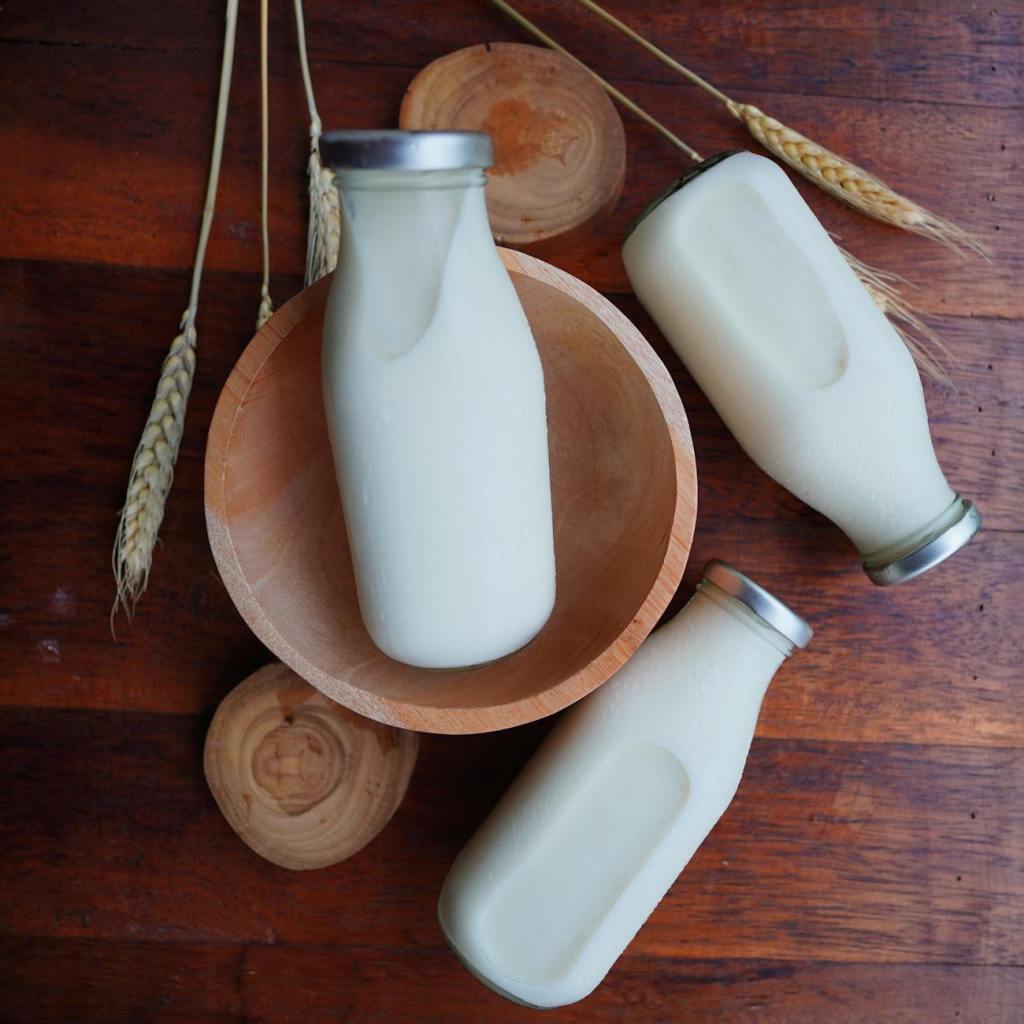
Dairy Allergy vs Lactose Intolerance in Breastfed Babies (What Is the Difference)
Most Moms Use These Terms Interchangeably
When your baby starts having symptoms after feedings, it is natural to start searching for answers. And somewhere along the way, you probably see the words:
- dairy allergy
- milk intolerance
- lactose intolerance
used almost interchangeably. Honestly, it gets confusing fast. Many moms assume these all mean the exact same thing. But they actually describe very different issues. Understanding the difference between dairy allergy and lactose intolerance in breastfed babies can make the entire dairy-free journey feel less overwhelming.
What Is a Dairy Allergy in Babies
A dairy allergy, also called cow’s milk protein allergy or sensitivity, happens when a baby reacts to proteins found in cow’s milk. These proteins can pass through breastmilk after a breastfeeding mom consumes dairy. The baby’s digestive system or immune system may react to those proteins. This is what many breastfeeding moms are actually dealing with when symptoms improve after removing dairy. According to the American Academy of Pediatrics, cow’s milk protein sensitivity is one of the most common food sensitivities in infants.
Common Dairy Allergy Symptoms in Breastfed Babies
Symptoms may include:
- mucus stool breastfed baby
- green poop dairy allergy symptoms
- gas
- reflux
- eczema
- congestion
- fussiness after feeds
- arching during nursing
👉 If your baby has digestive symptoms too, revisit What Does Dairy Intolerance Poop Look Like in Breastfed Babies (Signs Most Moms Miss)
What Is Lactose Intolerance
Lactose intolerance is different. Lactose is a sugar found in milk. A person with lactose intolerance struggles to properly digest that sugar because of low lactase enzyme levels. True lactose intolerance in young breastfed babies is actually very rare. This surprises many moms. Most babies who seem to react to dairy are usually reacting to milk proteins, not lactose itself.
The Biggest Misunderstanding Moms Hear Online
A lot of moms are told: “Your baby is lactose intolerant.” But in reality, many babies are experiencing cow’s milk protein sensitivity instead. That distinction matters because it changes:
- symptom expectations
- healing timelines
- dietary choices
Why Breastfeeding Moms Get Confused
Part of the confusion comes from symptoms overlapping. Both dairy allergy and lactose intolerance may involve:
- gas
- digestive discomfort
- fussiness
But dairy allergy symptoms in breastfed babies often involve additional inflammation-related symptoms too.
Signs It May Be Dairy Protein Sensitivity Instead
If your baby has:
- mucus diapers
- reflux
- eczema
- blood in stool
- ongoing congestion
- severe fussiness
there is a stronger chance dairy protein sensitivity may be involved.
👉 If reflux is happening too, read Can Dairy Cause Reflux in Breastfed Babies (Signs Most Moms Don’t Connect)
Can Breastmilk Cause Lactose Intolerance
This is another huge misconception. Breastmilk naturally contains lactose. That does NOT mean breastmilk is harmful. Breastmilk is still the biologically normal food for babies. Again, true lactose intolerance in breastfed infants is uncommon. Most symptoms moms notice while breastfeeding dairy-free are related to protein sensitivity instead.
👉 Egg allergy is another separate condition entirely. If you’re wondering whether a baby with CMPA needs to avoid eggs too, read [Can Babies With CMPA Eat Eggs? Dairy vs. Egg Allergy Explained].
What About Gas
Gas alone does not automatically mean dairy allergy. But gas combined with:
- mucus
- reflux
- diaper changes
- discomfort
may point toward dairy sensitivity.
👉 You may also want to read: Can Dairy Cause Gas in Breastfed Babies (How to Tell and What Actually Helps)
How Symptoms Usually Improve
If dairy proteins are the issue, symptoms often improve gradually after removing dairy from your diet. Improvement may include:
- calmer feeds
- less reflux
- improved diapers
- reduced fussiness
Healing rarely happens overnight.
👉 Reset expectations with Signs Your Dairy-Free Diet Is Actually Working (Even Before Symptoms Fully Disappear)
Hidden Dairy Can Complicate Things
Many moms think dairy elimination failed when hidden dairy is still sneaking in. Common hidden dairy ingredients include:
- whey
- casein
- milk powder
- butter solids
👉 Double check labels with 50 Hidden Sources of Dairy (Even Dairy-Free Moms Miss These)
Why This Distinction Matters Emotionally Too
One of the hardest parts about breastfeeding through symptoms is the uncertainty. You constantly wonder: Am I doing the right thing? Is dairy actually the problem? Will my baby feel better? Understanding the difference between dairy allergy and lactose intolerance helps many moms finally make sense of what they are seeing. And honestly? That clarity matters.
👉 If your baby has CMPA and you’re wondering what foods are still on the table, see [What Can My Baby Eat With CMPA? A Complete Dairy-Free Baby Food List].
What To Do If You Suspect Dairy Sensitivity
Keep Meals Simple
Simple meals make it easier to identify patterns.
👉 Revisit Dairy-Free Grocery Shopping for Breastfeeding Moms (What to Buy and What to Avoid)
Track Symptoms Over Time
Patterns matter more than isolated moments. Look for:
- diaper changes
- sleep patterns
- feeding comfort
- overall mood
Give It Time
Digestive healing is often gradual. Many moms quit too early because they expect immediate improvement.
👉 This difference becomes especially important when choosing formula or milk alternatives. Read [What Milk Can a Baby With CMPA Drink? Formula, Breast Milk & Milk Alternatives Explained] before assuming a lactose-free product is appropriate for CMPA.
When To Talk To Your Pediatrician
You should contact your pediatrician if you notice:
- blood in stool
- poor weight gain
- severe reflux
- feeding refusal
- worsening symptoms
Persistent symptoms deserve medical guidance.
A Gentle Reminder For Moms
It is incredibly easy to feel overwhelmed by conflicting information online. Especially when every article seems to say something different. But you are not failing because you are still learning. Most moms are figuring this out in real time too. And honestly, the fact that you are trying this hard already says a lot.
FAQ
Is lactose intolerance common in breastfed babies
No. True lactose intolerance in infants is actually rare.
What is more common than lactose intolerance in babies
Cow’s milk protein sensitivity is much more common.
Can dairy allergy cause mucus stool
Yes. Mucus diapers are one common symptom of dairy protein sensitivity.
Can dairy allergy cause reflux in breastfed babies
Yes. Some babies experience reflux symptoms when sensitive to dairy proteins.
How do I know if my baby has dairy sensitivity
Look for patterns involving gas, reflux, mucus stool, eczema, congestion, or fussiness.
Medical Disclaimer
This article is for informational purposes only and is not intended as medical advice. Always consult your healthcare provider regarding your baby’s health or your diet.
Final Thoughts
The terms dairy allergy and lactose intolerance are often used interchangeably online. But they are not actually the same thing. And understanding that difference can make the dairy-free breastfeeding journey feel far less confusing. Pay attention to patterns. Give yourself grace. And remember that improvement often happens gradually. You are doing an incredible job.
💬 Call To Action
Did you originally think your baby had lactose intolerance before learning about dairy sensitivity? Comment below and share your experience.








Leave a comment