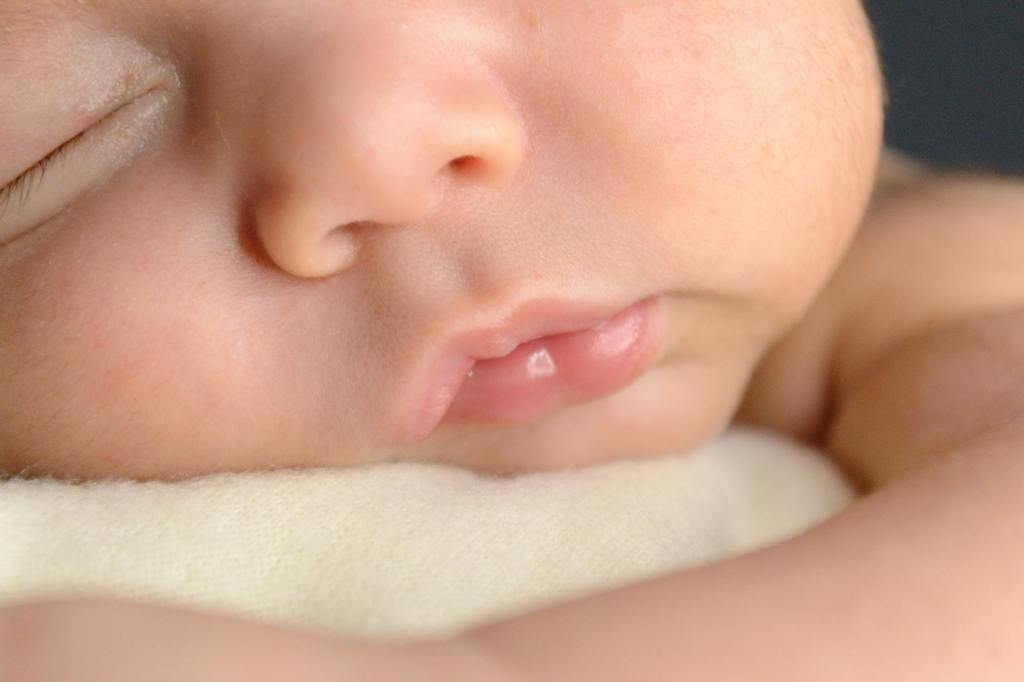
Baby Acne and Dairy Sensitivity While Breastfeeding (Could Dairy Be Causing It)
Baby Acne Can Feel Confusing Fast
Your baby’s skin suddenly changes and immediately your brain starts trying to figure out why. Tiny bumps appear across the cheeks. Maybe the skin looks:
- red
- irritated
- rough
- inflamed
And naturally you start wondering: Is this normal baby acne? Could something I am eating be causing this? Could dairy be affecting my breastfed baby? If you are asking those questions, you are not alone. Many breastfeeding moms begin researching dairy sensitivity after noticing skin symptoms alongside digestive issues or fussiness. And honestly, skin symptoms are one of the most overlooked signs of dairy sensitivity in breastfed babies.
Can Dairy Cause Baby Acne While Breastfeeding
Sometimes, yes. When dairy proteins pass through breastmilk, some sensitive babies may react with inflammation that affects:
- digestion
- comfort
- skin
Baby acne dairy sensitivity symptoms may appear alongside:
- gas
- reflux
- mucus stool
- green poop
- fussiness
- congestion
According to the American Academy of Pediatrics, cow’s milk protein sensitivity can sometimes contribute to skin and digestive symptoms in infants.
What Baby Acne Usually Looks Like
Baby acne often appears as:
- tiny red bumps
- rough skin texture
- small pimples on cheeks
- irritation around the face
It commonly shows up:
- on cheeks
- forehead
- chin
- around the mouth
Some babies also experience eczema-like irritation alongside acne symptoms.
Normal Baby Acne vs Dairy Sensitivity Symptoms
This is where things get confusing. Many babies develop normal newborn acne that has nothing to do with dairy. But dairy sensitivity skin symptoms often happen alongside other issues.
Signs It May Be More Than Normal Baby Acne
You may also notice:
- mucus stool breastfed baby
- green poop dairy allergy symptoms
- reflux
- gas
- ongoing fussiness
- poor sleep
- congestion
👉 If your baby also struggles with digestion, revisit What Does Dairy Intolerance Poop Look Like in Breastfed Babies (Signs Most Moms Miss)
👉 If reflux is happening too, read Can Dairy Cause Reflux in Breastfed Babies (Signs Most Moms Don’t Connect)
Why Dairy Can Affect Baby Skin
When the digestive system becomes irritated, inflammation may show up in different ways. For some babies, that includes:
- skin irritation
- redness
- acne-like bumps
- eczema flare-ups
This is why breastfed baby dairy sensitivity symptoms sometimes involve both skin and digestion together.
Baby Acne and Eczema Often Overlap
Many moms searching about baby acne also begin noticing:
- dry patches
- rough skin
- redness
- irritation behind knees or elbows
These symptoms sometimes overlap with dairy sensitivity. Not every skin issue means dairy allergy, but patterns matter.
The Timing Confuses Many Moms
One of the hardest parts about identifying dairy sensitivity is timing. You may eat dairy and not notice symptoms immediately. Then a day later:
- acne worsens
- skin flares
- digestion changes
This delay makes dairy sensitivity difficult to identify sometimes.
👉 Learn more in How Long Does Dairy Stay in Breastmilk
Other Symptoms Often Happen Together
Skin symptoms rarely happen completely alone with dairy sensitivity. Many moms also report:
- gas
- reflux
- mucus
- foamy poop
- congestion
- arching during feeds
👉 If you are seeing foamy diapers too, revisit Foamy Poop in Breastfed Babies and Dairy Sensitivity (What It Could Mean)
What To Do If You Suspect Dairy Sensitivity
Stay Calm
This is important. Baby acne is very common and often harmless. One symptom alone usually does not tell the full story.
Look for Patterns
Ask yourself:
- Is digestion affected too?
- Is reflux happening?
- Is baby uncomfortable after feeds?
- Is sleep worsening?
The bigger symptom picture matters most.
Keep Meals Simple
Simple dairy-free meals reduce confusion and make it easier to spot patterns.
👉 Revisit Dairy-Free Grocery Shopping for Breastfeeding Moms (What to Buy and What to Avoid)
Give It Time
If dairy sensitivity is involved, healing is usually gradual. Improvement may happen slowly over several weeks.
👉 Reset expectations with Signs Your Dairy-Free Diet Is Actually Working (Even Before Symptoms Fully Disappear)
Hidden Dairy Could Still Be Contributing
Many moms accidentally continue eating hidden dairy ingredients. Even small amounts may continue irritation in sensitive babies. Watch carefully for:
- whey
- casein
- milk powder
- butter solids
- cheese seasoning
👉 Double check labels with 50 Hidden Sources of Dairy (Even Dairy-Free Moms Miss These)
When To Contact Your Pediatrician
You should contact your pediatrician if you notice:
- severe rash
- skin infection
- poor feeding
- worsening symptoms
- blood in stool
- severe discomfort
Persistent symptoms deserve medical guidance.
A Gentle Reminder For Moms
Skin symptoms can feel especially emotional because they are visible all the time. Every flare-up feels personal. Every new bump feels stressful. But remember: You are learning your baby. And honestly, paying attention to patterns is one of the most helpful things you can do. You do not need to solve everything perfectly overnight.
FAQ
Can dairy in breastmilk cause baby acne
Sometimes. Some babies sensitive to dairy proteins may experience skin irritation or acne-like symptoms.
Does baby acne always mean dairy allergy
No. Normal newborn acne is extremely common and often harmless.
Can dairy sensitivity cause eczema too
Yes. Some babies experience both digestive and skin symptoms together.
How long after removing dairy does skin improve
Some babies improve within days, while others improve gradually over several weeks.
What other symptoms happen with dairy sensitivity
Gas, reflux, mucus stool, green poop, fussiness, and congestion are common additional symptoms.
Medical Disclaimer
This article is for informational purposes only and is not intended as medical advice. Always consult your healthcare provider regarding your baby’s health or your diet.
Final Thoughts
Baby acne can feel alarming, especially when you are already trying to figure out whether dairy sensitivity may be affecting your baby. But remember: One symptom alone rarely tells the whole story. Look for patterns. Pay attention to digestion and comfort too. Stay consistent if you are trying dairy elimination. And most importantly, give yourself grace while you learn what your baby needs. You are doing an incredible job.
💬 Call To Action
Have you noticed skin changes while breastfeeding dairy-free? Comment below and share your experience. Your story could help another mom feel less overwhelmed.








Leave a comment