Best Dairy-Free Substitutes (Milk, Cheese, Butter and More for Breastfeeding Moms)
Making Dairy-Free Feel Normal Again
One of the hardest parts of going dairy-free while breastfeeding is not just removing foods.
It is figuring out what to replace them with.
Meals that once felt simple can suddenly feel complicated. Coffee feels different, favorite recipes do not taste the same, and grocery shopping takes longer than it used to.
The good news is that you do not need to give up your favorite foods completely.
You just need a few simple swaps that work for your lifestyle.
Over time, dairy-free eating starts to feel natural again.
Do You Even Need Dairy-Free Substitutes
Before diving into specific replacements, it is important to understand this.
You do not need dairy-free substitutes to be successful.
Many moms find that focusing on simple, whole foods is actually easier, more affordable, and more satisfying.
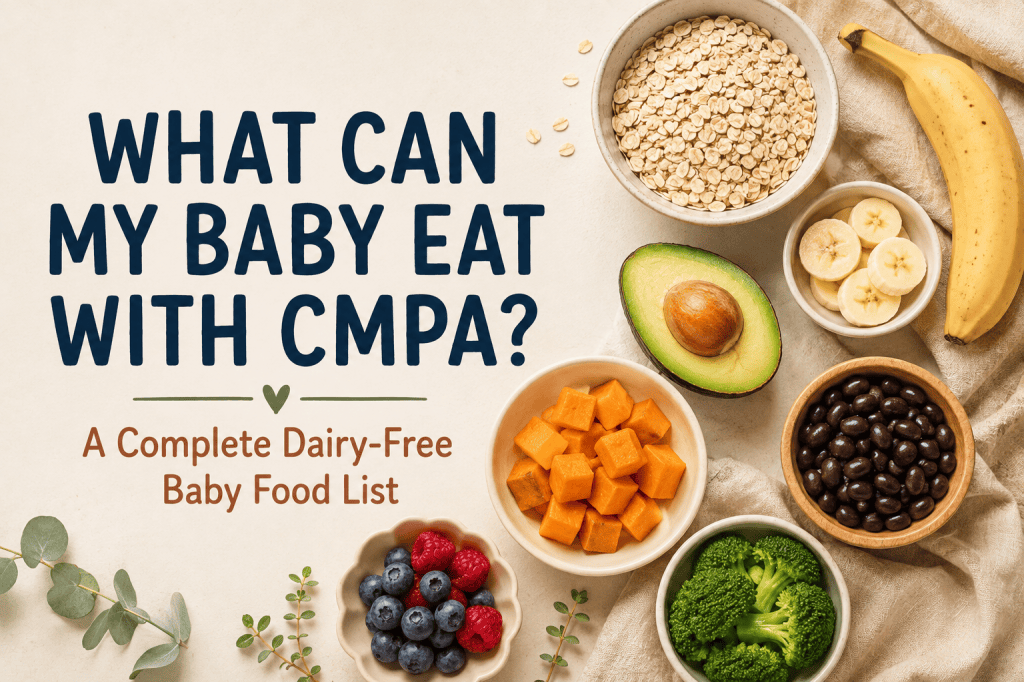
👉 Start with What Can I Eat While Dairy-Free Breastfeeding (Complete Food List for Moms) to build a strong foundation
Substitutes are helpful, especially in the beginning, but they are not required for every meal.
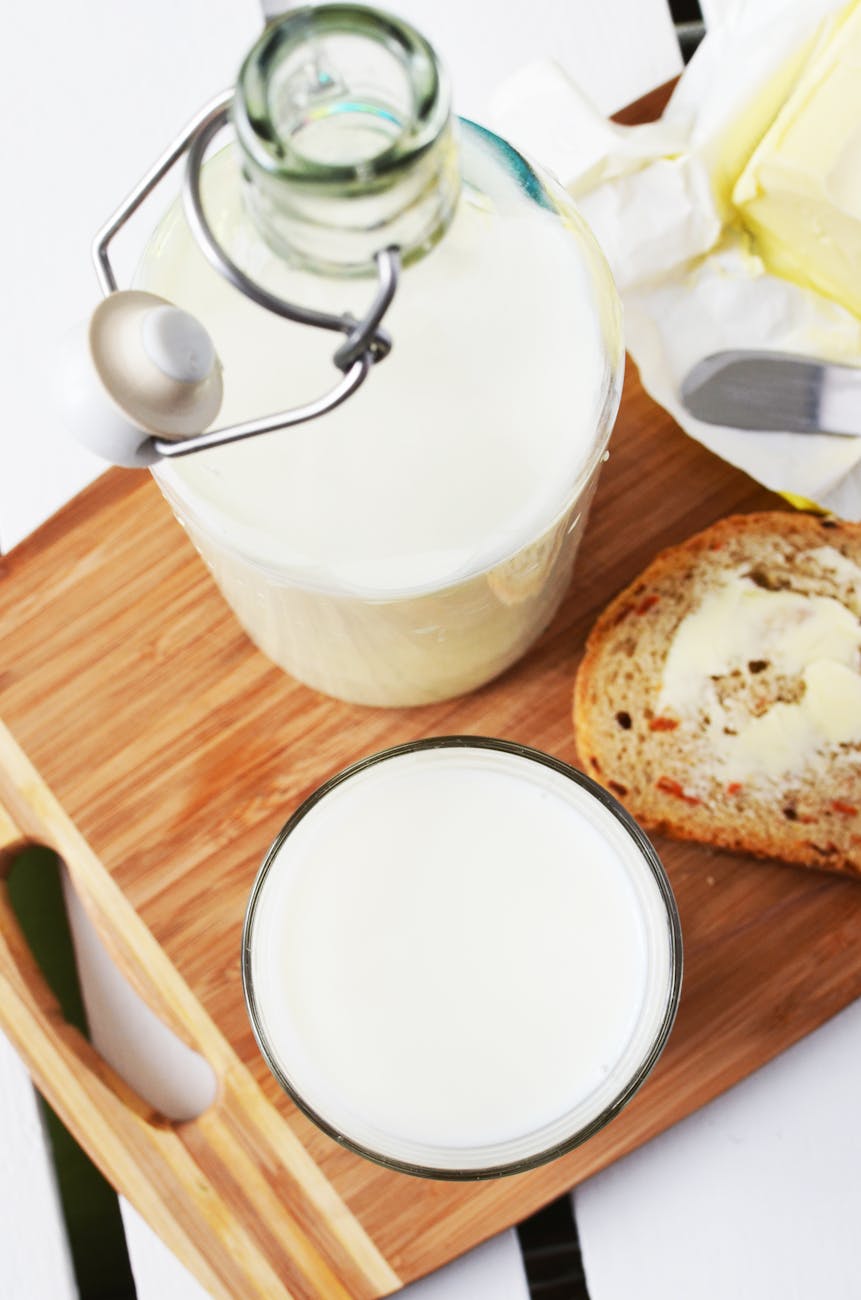
Best Dairy-Free Milk Alternatives
Milk is usually the easiest thing to replace.
There are several great options, and each works best in different situations.
Almond Milk
Light, slightly nutty, and widely available. Works well in smoothies and cereal.
Oat Milk
Creamy and mild. One of the most popular options for coffee because it blends well and has a smooth texture.
Coconut Milk
Richer and slightly sweet. Best for cooking and baking.
When choosing a milk alternative, look for unsweetened versions whenever possible.
How to Choose the Right Dairy-Free Substitute
Not all dairy-free substitutes are created equal, and choosing the right one can make a big difference in how satisfied you feel with your meals.
When selecting a substitute, consider:
- Taste and texture
- How you plan to use it
- Ingredient list
- Added sugars or fillers
For example, oat milk tends to work well in coffee because of its creamy texture, while almond milk is lighter and better for smoothies.
Taking a little time to experiment can help you find options that truly work for your routine.
Best Dairy-Free Butter Alternatives
Butter is commonly used in cooking, but it is one of the easiest things to replace.
Simple options include:
- Olive oil
- Coconut oil
- Dairy-free butter alternatives
Olive oil is one of the most affordable and versatile choices.
You can use it for cooking, roasting, and even on toast.
Best Dairy-Free Cheese Alternatives
Cheese is often the hardest thing to replace.
Dairy-free cheese can be helpful, but it does not always taste or melt the same way.
A few tips:
- Use it in small amounts
- Try different brands to find what you like
- Do not expect it to be identical to regular cheese
Many moms find that over time, they rely less on cheese altogether.
Best Dairy-Free Yogurt Options
Dairy-free yogurt is a great option for quick breakfasts or snacks.
You will find options made from:
- Coconut
- Almond
- Oat
These pair well with fruit, granola, or nut butter.
👉 For easy breakfast ideas, see Dairy-Free Breakfast Ideas for Breastfeeding Moms
Best Dairy-Free Cream and Sauce Alternatives
If you enjoy creamy dishes, there are still plenty of options.
Try using:
- Coconut milk
- Cashew-based sauces
- Blended vegetables
These create a creamy texture without dairy and work well in soups, pasta, and sauces.
Easy Dairy-Free Swaps for Everyday Meals
Sometimes the simplest approach is the best.
Here are a few easy swaps you can start using right away:
- Coffee creamer → oat milk or almond milk
- Butter on toast → peanut butter or avocado
- Creamy pasta → olive oil or dairy-free sauce
- Cheese on sandwiches → skip or use a dairy-free alternative
- Yogurt parfait → coconut yogurt with fruit
These small changes make dairy-free eating feel manageable instead of overwhelming.
Are Dairy-Free Substitutes Healthy While Breastfeeding
Many moms wonder whether dairy-free substitutes are actually healthy, especially while breastfeeding.
The answer depends on the product.
Some dairy-free alternatives are highly processed and contain added sugars, oils, or stabilizers. Others are simple and nutrient-rich.
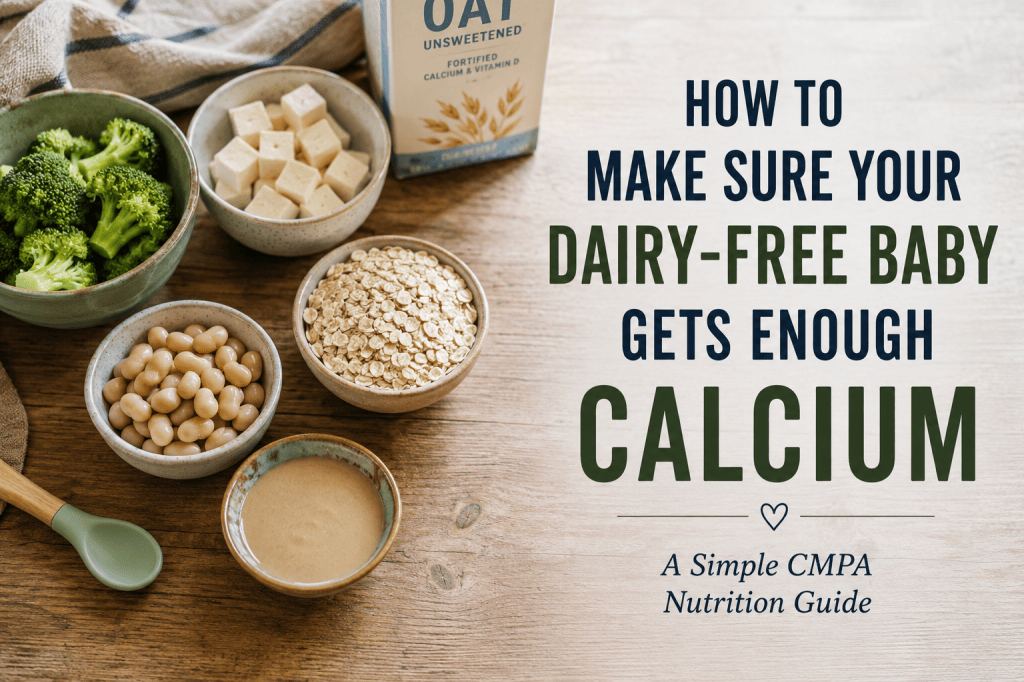
According to the National Institutes of Health, breastfeeding mothers need adequate nutrition, including calcium, vitamin D, and vitamin B12.
This means it is important to:
- Choose fortified plant milks when possible
- Focus on whole foods as your base
- Use substitutes as a supplement, not the foundation
👉 Learn more in B12 and Dairy-Free Breastfeeding: What Every Mom Needs to Know
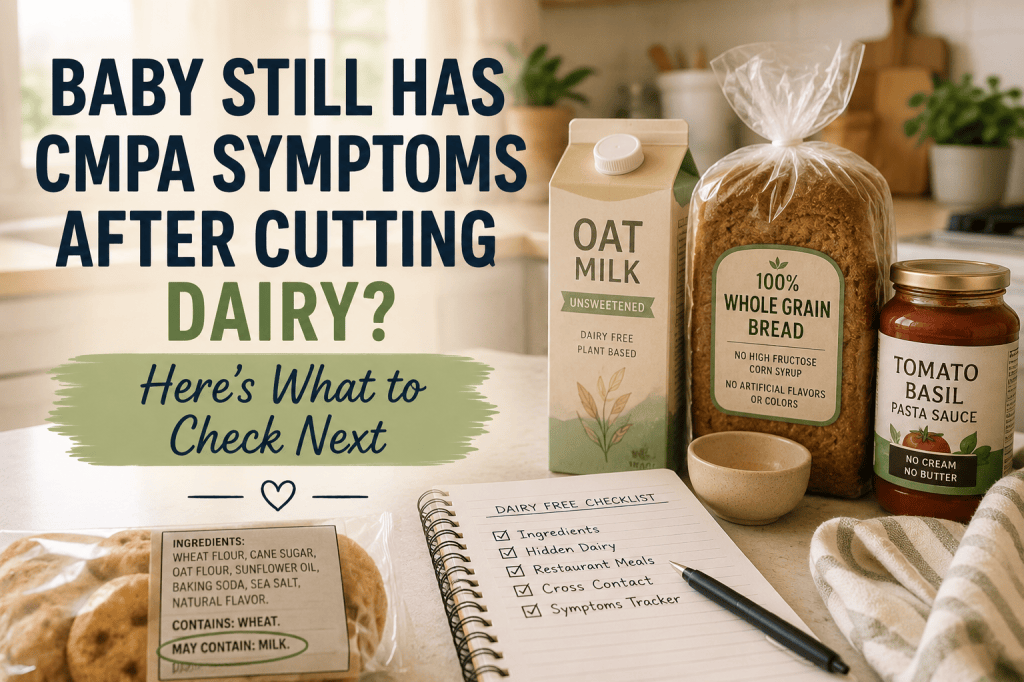
How to Avoid Hidden Dairy in Substitutes
Even products labeled dairy-free can sometimes contain traces of milk.
Always read ingredient labels carefully.
Look for:
- Whey
- Casein
- Milk solids
👉 Learn how to read labels confidently in “May Contain Milk” vs “Made in a Facility”
This step is especially important when your baby is sensitive.
What Most Moms Get Wrong About Dairy-Free Substitutes
One of the biggest mistakes moms make is trying to replace everything at once.
This can quickly become overwhelming, expensive, and frustrating.
Instead, focus on:
- Replacing only what you truly miss
- Keeping meals simple
- Allowing your taste preferences to adjust
Many moms find that after a few weeks, they naturally rely less on substitutes.
Pairing Substitutes with Simple Meals
Dairy-free substitutes work best when paired with simple meals.
For example:
- Oat milk in oatmeal
- Almond milk in smoothies
- Dairy-free yogurt with fruit
👉 Use 7-Day Dairy-Free Breastfeeding Meal Plan to keep meals easy and structured
👉 Simplify your shopping with Dairy-Free Grocery List for Breastfeeding Moms
Keeping meals simple makes dairy-free living sustainable.
FAQ
What is the best dairy-free milk substitute
Oat milk is one of the most popular because of its creamy texture and neutral taste.
Do dairy-free substitutes taste the same
Not exactly, but many are close enough and improve over time as your taste adjusts.
Are dairy-free substitutes necessary
No, they are optional. Whole foods can meet most of your needs.
Are dairy-free products expensive
Some are, which is why using them in moderation helps keep costs down.
Medical Disclaimer
This article is for informational purposes only and is not intended as medical advice. Always consult your healthcare provider before making dietary changes, especially while breastfeeding.
Final Thoughts
Going dairy-free does not mean giving up everything you love.
With a few simple swaps, meals can feel normal again.
You do not need to replace every food or recreate every recipe.
Start small, keep things simple, and give yourself time to adjust.
You are doing an incredible job caring for your baby and learning something new at the same time.
💬 Call to Action
What is your favorite dairy-free substitute?
Comment below and share what has worked best for you. Your experience could help another mom feel more confident in her journey.




Leave a comment