
I Accidentally Ate Dairy While Breastfeeding—Do I Need to Start Over?
The moment you realize you’ve accidentally eaten dairy while breastfeeding can feel overwhelming.
Maybe you ordered what you thought was a dairy-free meal at a restaurant, only to discover later it was cooked in butter. Maybe you grabbed your favorite snack without noticing the recipe had changed. Or maybe you didn’t realize that an ingredient like casein or whey actually comes from milk. Whatever happened, you’re probably feeling a mixture of guilt, worry, and panic. Your mind immediately starts racing:
- Did I ruin all my progress?
- Will my baby have a reaction?
- Do I have to start my elimination diet over?
- Should I stop breastfeeding?
- Do I need to pump and dump?
If that’s where you are right now, take a deep breath. The good news is that one accidental exposure almost never means you’ve failed. While every baby is different, one mistake is rarely enough to undo weeks or months of carefully following a dairy-free breastfeeding diet. Let’s walk through exactly what happens, what you should do next, and when it’s time to call your baby’s healthcare provider.
The Short Answer
If you accidentally eat dairy while breastfeeding:
- Continue breastfeeding.
- Return to your dairy-free diet with your next meal.
- Watch your baby for symptoms over the next 24–72 hours.
- Don’t panic or assume you’ve ruined your progress.
- Contact your pediatrician if your baby develops severe symptoms.
Most breastfeeding moms experience an accidental dairy exposure at some point. Hidden dairy ingredients are everywhere, and perfection simply isn’t realistic. What matters most is what you do moving forward.
Why This Happens More Often Than You Think
Eating dairy-free sounds simple until you actually begin reading ingredient labels. Milk proteins can hide in foods you would never expect. Some of the biggest culprits include:
- Bread
- Crackers
- Deli meats
- Protein bars
- Salad dressings
- Frozen meals
- Coffee drinks
- Restaurant sauces
- Seasoning packets
- Chocolate
- Instant mashed potatoes
- Cream soups
Restaurants can also unintentionally expose you to dairy by cooking vegetables, meats, or eggs in butter without mentioning it on the menu. Even experienced parents occasionally discover they accidentally consumed dairy. That doesn’t mean you’re careless. It means you’re following one of the most challenging elimination diets there is.
👉 If symptoms seem to be lingering even without another known exposure, read [Baby Still Has CMPA Symptoms After Cutting Dairy? Here’s What to Check Next] for other possibilities worth reviewing.
What Actually Happens After You Eat Dairy?
Understanding what happens inside your body can make the situation feel much less scary. When you eat dairy, your digestive system begins breaking it down into smaller components. For babies with Cow’s Milk Protein Allergy (CMPA) or a milk protein sensitivity, the concern isn’t lactose. It’s the milk proteins themselves. Tiny amounts of these proteins can enter your bloodstream before eventually appearing in breast milk. This process takes time. It also doesn’t guarantee your baby will react. Some babies experience no noticeable symptoms after a single accidental exposure. Others may become temporarily fussier while their digestive system settles back down. Every baby responds differently.
Why One Baby Reacts and Another Doesn’t
One of the most confusing parts of breastfeeding is comparing your experience with someone else’s. You may know another breastfeeding mom who accidentally ate pizza without any issues. Meanwhile, your baby seemed fussy after one bite of cheese. Why? There are several reasons.
Every Baby Has a Different Digestive System
Some babies have a medically diagnosed Cow’s Milk Protein Allergy. Others simply have an immature digestive tract that becomes irritated more easily. Some babies outgrow these sensitivities during infancy, while others need longer to tolerate dairy. No two babies follow exactly the same timeline.
The Amount of Dairy Matters
One accidental bite of dairy is very different from consuming dairy at every meal for several days. Repeated exposure generally creates a greater chance of symptoms than one isolated mistake.
Your Baby’s Age Matters
Many babies become less sensitive as they grow and their digestive system matures. This is one reason many pediatricians eventually recommend supervised dairy reintroduction.
Every Child Is Unique
Even siblings can respond differently. One child may never react to dairy. Another may experience reflux, eczema, excessive gas, or mucus in their stool after relatively small exposures. Comparing your baby to another child often creates unnecessary anxiety. Instead, focus on your own baby’s patterns and symptoms.
What Happens Over the Next Few Days?
One of the biggest questions parents ask is: “What should I expect now?” While every situation is different, here’s a general timeline.
During the First 6 Hours
Most mothers won’t notice anything immediately. Your body has only begun digesting the dairy. At this stage:
- Continue breastfeeding normally.
- Drink water.
- Return to your dairy-free eating plan with your next meal.
- Avoid spiraling into guilt.
Nothing you do during these first few hours will instantly remove dairy proteins from your body. Your body simply needs time to process them naturally.
👉 Want to know exactly how long dairy proteins remain in breast milk? Read our article, _How Long Does Dairy Stay in Breast Milk? A Day-by-Day Timeline_, to understand what you can realistically expect over the next several days.
Between 6 and 24 Hours
If your baby is sensitive to milk proteins, this is the window when you may begin noticing changes. Keep in mind that not every baby will react, and many mothers never notice any difference after one accidental exposure. If symptoms do appear, they may include:
- Increased fussiness
- More frequent crying
- Extra spit-up or reflux
- Gas or bloating
- Changes in stool
- More frequent nursing for comfort
- Difficulty settling to sleep
- Temporary eczema flare-ups
It’s important to remember that babies also have fussy days for countless other reasons. Growth spurts, overtiredness, developmental leaps, and minor illnesses can all happen around the same time as your accidental dairy exposure. Try not to assume every cry is automatically caused by the dairy.
Between 24 and 72 Hours
For babies who do react, this is often when things begin improving. By returning immediately to your dairy-free eating plan, you’ve already done the most important thing. Now your baby’s digestive system simply needs time to settle. Recovery isn’t always perfectly linear. One feeding may seem completely normal. The next may be a little fussier. That’s completely normal and doesn’t necessarily mean things are getting worse. Instead of looking for immediate perfection, focus on gradual improvement over several days.
Should You Stop Breastfeeding?
For almost every mother… No. In fact, continuing to breastfeed is usually the best choice. Breast milk continues providing:
- Perfect nutrition
- Hydration
- Immune protection
- Antibodies
- Comfort
- Bonding
One accidental dairy exposure does not suddenly make your breast milk harmful. Unless your pediatrician has specifically instructed otherwise, continue nursing your baby normally. Stopping breastfeeding after one accidental exposure rarely provides any additional benefit and may actually create unnecessary stress for both you and your baby.
Do You Need to Pump and Dump?
This is probably the biggest myth surrounding dairy-free breastfeeding. The answer is: No. Unlike alcohol, dairy proteins don’t simply sit inside your breast milk waiting to be pumped out. “Pumping and dumping” does not remove dairy proteins any faster. Your body naturally processes and clears those proteins over time. Pump only if:
- You’re relieving engorgement.
- You’re maintaining your milk supply.
- You’re replacing a missed feeding.
- Your healthcare provider specifically recommends it.
Otherwise, continue breastfeeding as you normally would.
What You Should Do Right Now
Instead of worrying about what already happened, focus on your next steps.
Step 1: Give Yourself Grace
Almost every breastfeeding mom following an elimination diet accidentally eats dairy at some point. Restaurants make mistakes. Food manufacturers change ingredients. Labels are confusing. You’re human. One mistake doesn’t erase weeks or months of dedication.
Step 2: Return to Your Dairy-Free Diet
There’s no complicated recovery plan. Simply make your next meal dairy-free. That’s it. You don’t need to fast. You don’t need to detox. You don’t need to restart your elimination diet from Day 1. Just keep moving forward.
Step 3: Monitor Your Baby
Over the next couple of days, watch for symptoms such as:
- Fussiness
- Gas
- Reflux
- Mucus in stools
- Increased spit-up
- Eczema
- Difficulty sleeping
Many babies won’t experience any symptoms at all. Others may have only mild, temporary changes.
Hidden Dairy Ingredients That Surprise Breastfeeding Moms
One reason accidental dairy exposure is so common is because dairy hides under names many people don’t recognize. Some of the most common hidden dairy ingredients include:
- Casein
- Whey
- Milk solids
- Butterfat
- Lactalbumin
- Curds
- Ghee
- Nonfat dry milk
- Milk protein concentrate
If you’re eating packaged foods, always read the ingredient list—even if you’ve purchased that product before. Manufacturers change recipes more often than many people realize.
👉 Wondering where dairy hides in everyday foods? Read our article, _Hidden Dairy Ingredients Every Breastfeeding Mom Should Know_, to learn which ingredients are most likely to catch breastfeeding moms by surprise.
Common Places Dairy Sneaks In
Even foods that don’t seem dairy-related can contain milk proteins. Some of the biggest offenders include:
Restaurants
- Butter on grilled vegetables
- Cream-based sauces
- Mashed potatoes
- Eggs cooked on shared surfaces
Coffee Shops
Many flavored drinks contain:
- Milk
- Cream
- Sweet cream
- Condensed milk
Always double-check your order.
Protein Bars
Many contain whey protein or milk protein isolate. These are easy to overlook.
Bakery Items
Bread, muffins, cookies, and pastries often contain:
- Butter
- Milk
- Whey
- Dry milk powder
Seasoning Mixes
Even taco seasoning, ranch packets, and soup mixes sometimes contain dairy ingredients. Reading labels every single time may feel tedious, but it becomes much easier with practice.
What NOT To Do
When emotions are high, it’s easy to make decisions you’ll later regret. Avoid these common mistakes.
❌ Don’t Quit Breastfeeding
One accidental exposure isn’t a reason to stop nursing.
❌ Don’t Assume You’ve Ruined Everything
Weeks of dairy-free eating aren’t erased by one mistake. Your consistency over time matters much more.
❌ Don’t Blame Every Symptom on Dairy
Babies have difficult days. Growth spurts happen. Sleep regressions happen. Try to look for overall patterns instead of isolated moments.
❌ Don’t Beat Yourself Up
This one may be the hardest. Moms often expect perfection from themselves. Your baby doesn’t need a perfect parent. They need a loving one. And you’re already doing an incredible job.
When Should You Call Your Pediatrician?
Most accidental dairy exposures do not require medical treatment. However, contact your baby’s healthcare provider if you notice:
- Blood in your baby’s stool
- Persistent vomiting
- Difficulty breathing
- Poor feeding
- Signs of dehydration
- Extreme lethargy
- Severe eczema flare-ups
- Symptoms that continue getting worse instead of improving
If your baby has a diagnosed Cow’s Milk Protein Allergy (CMPA) or another medical condition, always follow the guidance provided by your pediatrician or pediatric allergist.
Frequently Asked Questions
Can one bite of dairy affect my breastfed baby?
Possibly—but not always. Some babies are extremely sensitive to milk proteins, while others tolerate a small accidental exposure without any noticeable symptoms. One isolated exposure is generally much less concerning than eating dairy repeatedly over several days.
Should I restart my elimination diet?
No. Simply continue eating dairy-free with your next meal. Think of your elimination diet as a long-term commitment rather than a countdown. One accidental mistake doesn’t erase the progress you’ve already made.
How long does dairy stay in breast milk?
Milk proteins pass through breast milk over time, but your body naturally clears them. Many babies who react begin improving within 24 to 72 hours, although every situation is different.
Should I throw away pumped milk?
Usually, no. One accidental dairy exposure generally isn’t a reason to discard previously pumped milk. If your baby has severe allergies or complex medical needs, consult your pediatrician for personalized advice.
Can pumping remove dairy faster?
No. Pumping does not speed up the removal of dairy proteins from your body. Your body processes them naturally over time.
Will my baby definitely have symptoms?
No. Many babies experience no symptoms after a single accidental exposure. Others may have mild symptoms that improve quickly.
Can I continue breastfeeding if my baby reacts?
In most cases, yes. Breastfeeding continues to provide tremendous benefits, including immune support, nutrition, hydration, and comfort.
Is lactose the problem?
Usually not. For babies with Cow’s Milk Protein Allergy, the problem is milk protein, not lactose. This is why lactose-free dairy products can still cause symptoms.
Will my baby eventually outgrow dairy sensitivity?
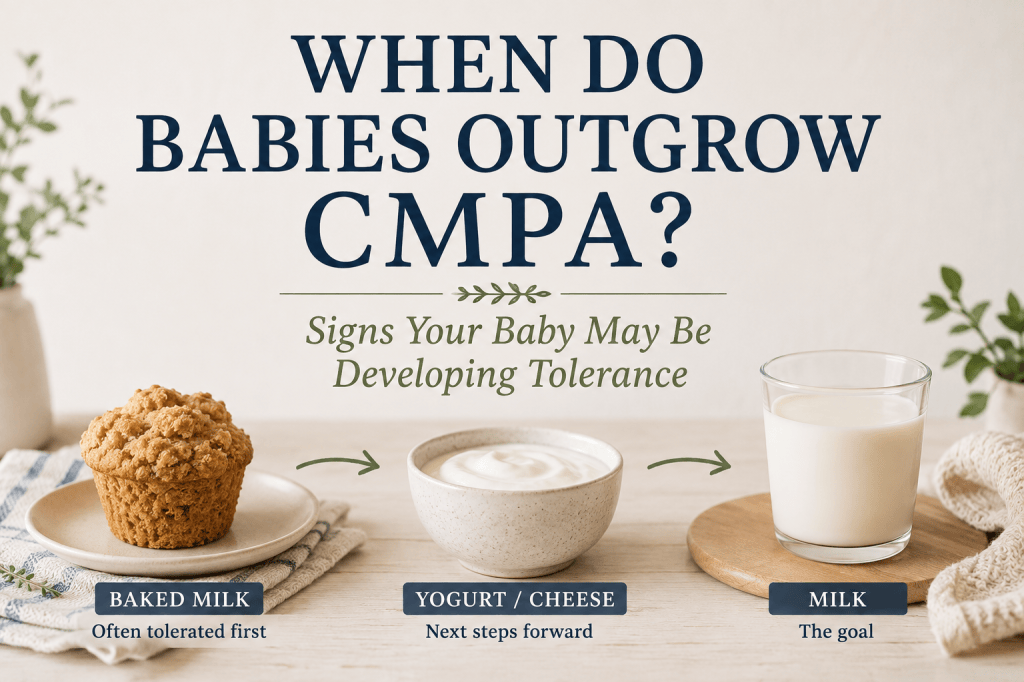
Many babies do. A significant number of children outgrow Cow’s Milk Protein Allergy during infancy or early childhood. Your pediatrician can help determine when it’s safe to begin reintroducing dairy.
How can I prevent accidental dairy exposure?
A few simple habits make a big difference:
- Read ingredient labels every time.
- Learn hidden dairy ingredient names.
- Ask detailed questions at restaurants.
- Keep trusted dairy-free snacks available.
- Plan ahead when traveling.
No parent avoids every accidental exposure forever—but preparation greatly reduces the chances.
Final Thoughts
If you accidentally ate dairy while breastfeeding, try not to let guilt take over. Nearly every breastfeeding mother following a dairy-free diet experiences an accidental exposure at some point. Hidden ingredients, restaurant mistakes, recipe changes, and simple human error happen to all of us. The important thing is what you do next. Return to your dairy-free diet, continue breastfeeding, monitor your baby over the next couple of days, and remember that one mistake does not erase weeks or months of progress. Parenting is about consistency—not perfection. Give yourself the same grace you would give another mom in your shoes. You’re doing an incredible job.
👉 If you’re just beginning your dairy-free breastfeeding journey, don’t miss our complete guide, _The Complete Guide to a Dairy-Free Breastfeeding Diet_, where you’ll learn everything you need to confidently get started.
Medical Disclaimer
This article is intended for educational purposes only and should not replace medical advice from your pediatrician, family physician, allergist, or lactation consultant. Every baby is unique, and if you have concerns about your baby’s health after accidentally consuming dairy, seek guidance from a qualified healthcare professional.





Leave a comment