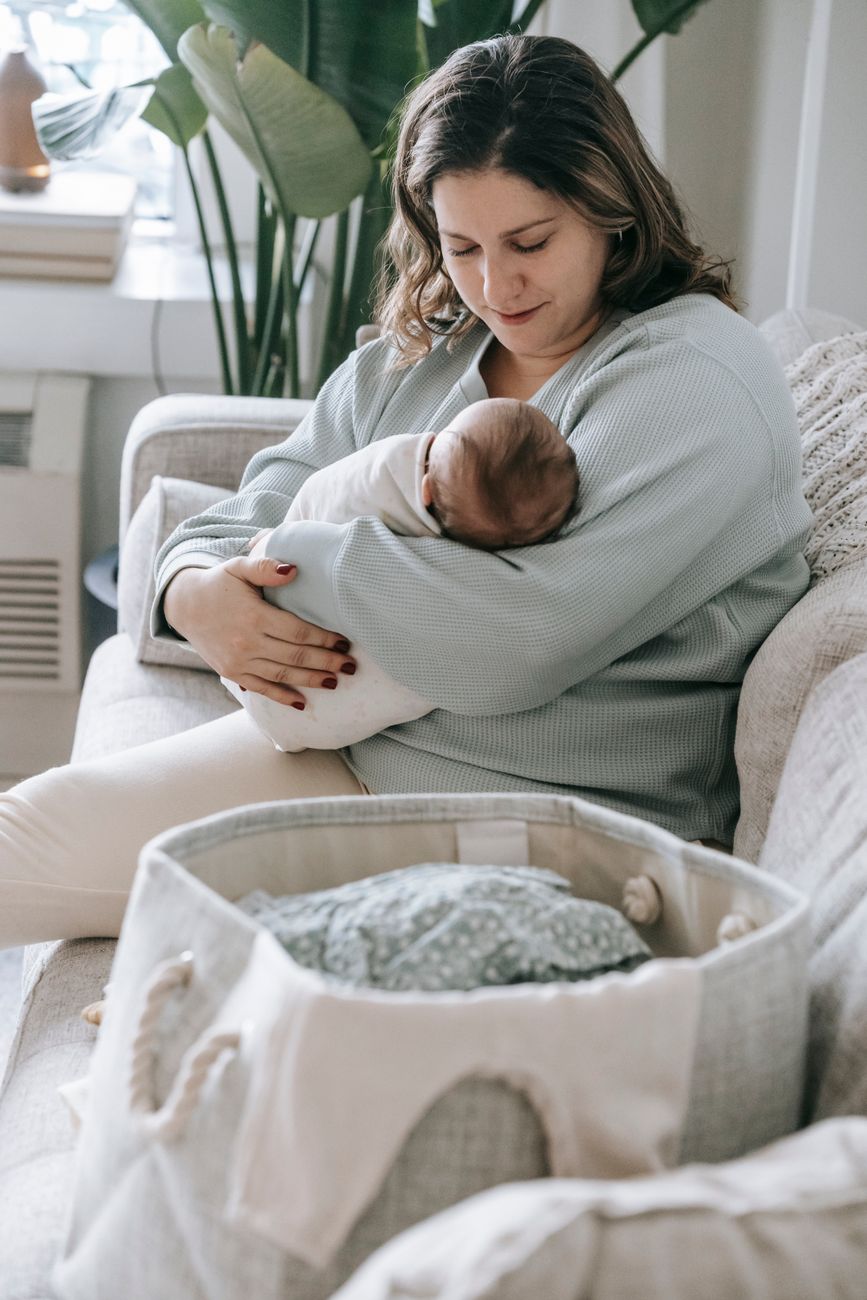
If you’re preparing for your baby’s arrival—or you’ve recently welcomed a newborn—you’ve probably heard that breastfeeding provides many health benefits. One question that often comes up is whether breastfeeding can actually prevent cow’s milk protein allergy (CMPA).
The answer isn’t as simple as many websites make it sound.
While breastfeeding is recommended for countless reasons, the current research suggests that it cannot guarantee your baby won’t develop CMPA. However, breastfeeding may still play an important role in supporting your baby’s developing immune system and overall gut health.
Understanding what breastfeeding can—and cannot—do can help set realistic expectations while giving you confidence that you’re making informed decisions for your family.
The Short Answer
Current evidence does not show that breastfeeding completely prevents cow’s milk protein allergy. However, exclusive breastfeeding is still recommended whenever possible because it offers many benefits for both mother and baby. Some research suggests it may influence immune development, reduce the risk of certain illnesses, and support a healthy gut microbiome. The important point is this: A baby who is exclusively breastfed can still develop CMPA. Many parents are surprised to learn this because they assume milk allergy only affects formula-fed babies. In reality, tiny amounts of cow’s milk protein from a mother’s diet can pass into breast milk, which is why some breastfed babies develop symptoms.
Why Does This Happen?
When a breastfeeding mother consumes dairy products, small fragments of milk proteins can pass into breast milk. For most babies, these tiny amounts cause no problems at all. For babies with CMPA, however, their immature immune system may recognize those proteins as something harmful, triggering symptoms such as:
- Reflux
- Blood or mucus in the stool
- Excessive fussiness
- Eczema
- Colic-like symptoms
- Poor feeding
- Frequent spit-up
It’s important to remember that this is not caused by breastfeeding itself. Instead, it’s the baby’s immune response to milk proteins that have naturally passed into breast milk.👉 New to CMPA? Start with: What Is Cow’s Milk Protein Allergy (CMPA)? A Beginner’s Guide for Breastfeeding Parents
What Does the Research Actually Say?
This is where things become a little more complicated than many social media posts or parenting forums suggest.
Researchers have spent decades studying whether breastfeeding can prevent food allergies, including cow’s milk protein allergy (CMPA). While breastfeeding provides tremendous health benefits, the evidence specifically for preventing CMPA has been mixed. Some studies have suggested a possible protective effect, while others have found little or no difference in allergy rates between breastfed and formula-fed infants.
Because of this, major medical organizations are careful not to claim that breastfeeding prevents CMPA. Instead, they recommend breastfeeding because of its many proven health benefits while recognizing that some babies may still develop milk protein allergies despite being exclusively breastfed.
👉 Many parents wonder whether breastfeeding can actually prevent cow’s milk protein allergy. While breastfeeding offers many health benefits, the answer is more nuanced than most people realize.
Can Breastfeeding Prevent Cow’s Milk Protein Allergy? (What the Research Actually Says)
Breastfeeding Still Provides Incredible Benefits
Just because breastfeeding doesn’t guarantee prevention doesn’t mean it isn’t incredibly valuable. Breast milk contains hundreds of components that help support your baby’s growth and immune system, including:
- Antibodies that help fight infections
- Beneficial bacteria that support gut health
- Immune cells
- Growth factors
- Enzymes
- Hormones
These components help your baby’s digestive and immune systems mature during the first months of life. A healthier, more mature gut may influence how your baby’s immune system responds to foods over time, even though it doesn’t completely eliminate the possibility of developing CMPA.
Does Breastfeeding Reduce the Severity of CMPA?
This is another question researchers continue to study.
Some healthcare providers believe that babies exposed to the very small amounts of milk protein naturally present in breast milk may experience different symptoms than babies who consume standard cow’s milk formula. However, this doesn’t mean breastfeeding makes CMPA “milder” for every child. Some exclusively breastfed babies can still experience:
- Significant reflux
- Blood in the stool
- Severe eczema
- Poor weight gain
- Persistent fussiness
Every baby is different, which is why treatment decisions should always be individualized.
👉 One of the most confusing things about CMPA is that many babies don’t show symptoms immediately after birth. Learn why the first signs often appear weeks later. Can a Breastfed Baby Suddenly Develop a Dairy Allergy? (Why Symptoms Sometimes Appear Weeks Later)
Should You Avoid Dairy During Pregnancy?
Many expecting mothers wonder whether avoiding dairy while pregnant could prevent their baby from developing CMPA. Based on current evidence, the answer is generally no. Medical organizations do not recommend that healthy pregnant women eliminate dairy solely to prevent allergies in their babies. Unless you have your own medical reason to avoid dairy, eating a normal, balanced diet during pregnancy remains the recommendation for most women. Restricting foods unnecessarily can make it harder to meet important nutritional needs during pregnancy.
What About Avoiding Dairy While Breastfeeding Before Symptoms Start?
This question comes up frequently, especially in online parenting groups.
Current guidelines generally do not recommend eliminating dairy while breastfeeding unless your baby has developed symptoms suggesting a possible milk protein allergy. Going dairy-free “just in case” has not been shown to reliably prevent CMPA and may make breastfeeding more difficult if dietary restrictions become unnecessarily stressful. If your baby begins showing symptoms that concern you, that’s the time to speak with your pediatrician about whether a dairy elimination trial is appropriate.
If Breastfeeding Doesn’t Prevent CMPA, Why Do Doctors Still Recommend It?
Because breastfeeding offers so many benefits that extend far beyond food allergies. Breastfeeding has been associated with:
- Lower rates of many infections
- Reduced risk of ear infections
- Lower risk of certain gastrointestinal illnesses
- Immune system support
- Healthy growth and development
- Bonding between mother and baby
Even if your baby develops CMPA, breastfeeding often remains the recommended feeding method when possible. In many cases, mothers continue breastfeeding successfully by temporarily eliminating dairy from their own diets.
👉 Already dairy-free? Read: Why Is My Baby Still Having Symptoms After Going Dairy-Free? (10 Reasons Recovery May Take Longer Than Expected)
Common Myths About Breastfeeding and CMPA
Myth #1: Breastfed Babies Can’t Have Milk Allergies
False.
Exclusively breastfed babies can absolutely develop CMPA because tiny amounts of milk protein from a mother’s diet can pass into breast milk.
Myth #2: Formula Always Causes Milk Allergy
False. Formula doesn’t “cause” CMPA.
Rather, babies who are genetically predisposed may develop an immune response when exposed to cow’s milk proteins.
Myth #3: If One Baby Had CMPA, Every Future Baby Will Too
Not necessarily.
Having one child with CMPA may slightly increase the risk for siblings, but many families go on to have additional children who never develop food allergies.
Myth #4: Once Your Baby Has CMPA, They’ll Always Have It
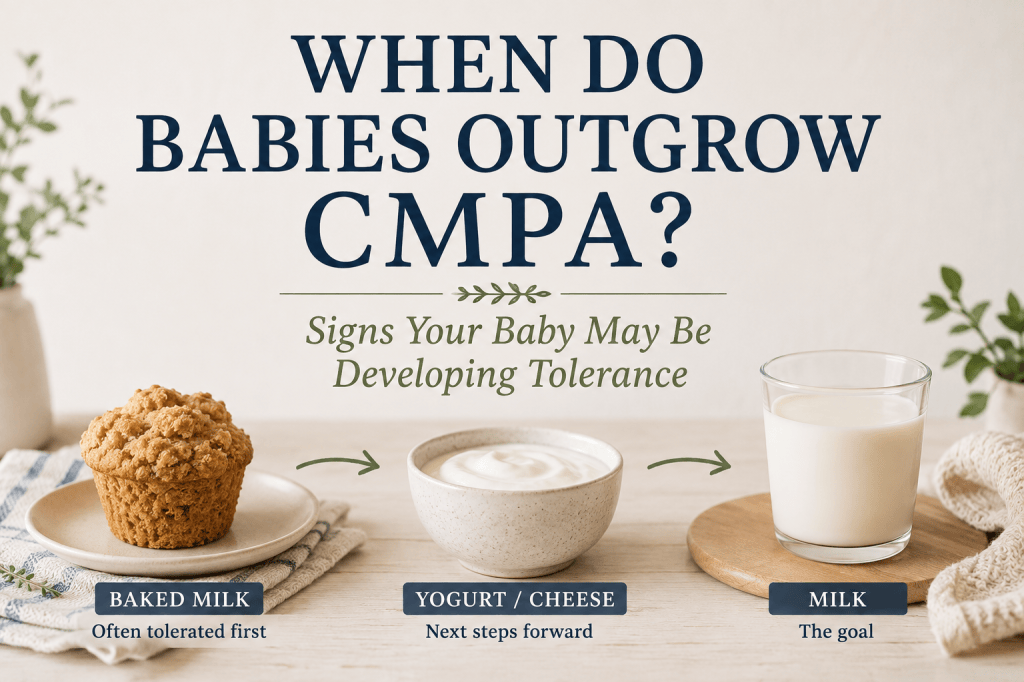
Fortunately, this is often not true. The majority of children outgrow cow’s milk protein allergy during early childhood, although every child’s timeline is different. 👉 Learn more: Can Cow’s Milk Protein Allergy Come Back After It Goes Away? (What Parents Should Know)
Frequently Asked Questions
Can an exclusively breastfed baby really develop CMPA?
Yes. Although many parents assume only formula-fed babies develop cow’s milk protein allergy, exclusively breastfed babies can also be affected. Tiny amounts of cow’s milk proteins from a mother’s diet can pass into breast milk and trigger symptoms in sensitive infants.
If my baby has CMPA, should I stop breastfeeding?
In most cases, no.
Most pediatricians encourage mothers to continue breastfeeding while temporarily eliminating dairy from their own diet. Breastfeeding continues to provide valuable nutrition and immune support while avoiding the proteins that may be causing symptoms.
Always work with your pediatrician before making feeding changes.
Will avoiding dairy during pregnancy prevent CMPA?
Current research does not support routinely avoiding dairy during pregnancy to prevent cow’s milk protein allergy.
Unless you have your own medical reason to avoid dairy, eating a balanced diet during pregnancy is generally recommended.
Does breastfeeding help babies outgrow CMPA?
Breastfeeding itself doesn’t necessarily make a baby outgrow CMPA faster, but it provides excellent nutrition and immune support while your baby’s digestive and immune systems continue to mature.
The good news is that many children naturally outgrow CMPA during early childhood.
Should I avoid dairy while breastfeeding even if my baby has no symptoms?
Current medical guidelines generally do not recommend eliminating dairy “just in case.”
If your baby is healthy and showing no symptoms, unnecessary dietary restrictions usually aren’t recommended. If symptoms develop, talk with your pediatrician before beginning an elimination diet.
Final Thoughts
When parents first learn about cow’s milk protein allergy, one of the most common feelings is guilt.
“Did I do something wrong?”
“Should I have breastfed longer?”
“Should I have avoided dairy while I was pregnant?”
The truth is that CMPA is not your fault.
Current research does not suggest that breastfeeding mothers caused their baby’s allergy or that avoiding dairy during pregnancy would have prevented it.
If your baby develops CMPA, the most important thing isn’t looking backward—it’s moving forward with the right information and the right support.
Breastfeeding continues to be an incredible gift for your baby, even if you need to make temporary dietary changes along the way.
Most importantly, remember that the majority of children eventually outgrow CMPA. While the journey can feel overwhelming today, there is every reason to be hopeful for the future.
❤️ Call to Action
Has your baby been diagnosed with CMPA while breastfeeding?
I’d love to hear your experience.
How old was your baby when symptoms first appeared? What symptoms were the biggest clue? Sharing your story may help another parent recognize the signs earlier and feel a little less alone.
👇 Leave a comment below and join the conversation.
Medical Disclaimer
This article is for educational purposes only and should not be considered medical advice. Always consult your pediatrician, pediatric allergist, or other qualified healthcare professional before making changes to your diet or your baby’s feeding plan. Every child is different, and recommendations should be individualized based on your baby’s medical history.



Leave a comment