Quick Answer
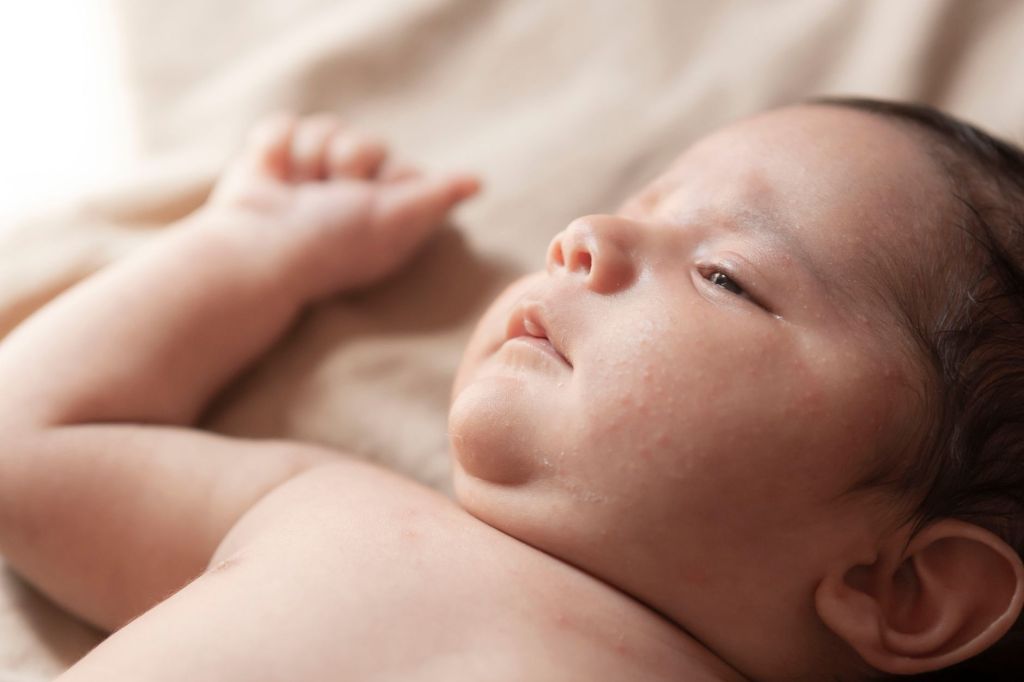
Yes, although it’s less common than eczema or digestive symptoms. Cow’s milk protein allergy (CMPA) can sometimes cause hives in breastfed babies. Because tiny amounts of milk protein can pass into breast milk, babies with a milk protein allergy may develop an immune response that affects the skin. However, many cases of hives are caused by viruses, medications, or other allergies rather than dairy alone.
“The Rash Came Out of Nowhere…”
One minute your baby’s skin looks perfectly normal.
The next, you notice raised red bumps spreading across their arms or stomach.
Maybe they disappear after an hour.
Then they come back somewhere else later that day.
It’s frightening.
Your first thought might be:
“Did my baby suddenly become allergic to something?”
For some breastfed babies, dairy is one possibility—but it’s far from the only explanation.
Understanding what hives look like and how they’re different from other common baby rashes can help you know when to monitor symptoms and when to contact your pediatrician.
What Are Hives?
Hives, also called urticaria, are raised, itchy welts that develop when the body releases histamine.
They often appear:
- Suddenly
- In clusters
- As raised bumps
- Pink, red, or skin-colored
- Different sizes
- Anywhere on the body
One of the most unique characteristics of hives is that they often move around.
A patch on your baby’s arm may disappear within hours while a new patch develops on their leg.
This moving pattern helps distinguish hives from many other skin conditions.
Can Dairy Really Cause Hives Through Breast Milk?
Yes—but it’s relatively uncommon.
Tiny amounts of cow’s milk protein can naturally pass into breast milk after a breastfeeding mother consumes dairy products.
For babies with CMPA, these proteins may trigger an immune response.
That response most commonly affects the digestive system.
Some babies develop:
- Reflux
- Mucus
- Blood in stool
- Fussiness
Others may also develop skin symptoms, including:
- Eczema
- Persistent rashes
- Occasionally hives
Because hives have many possible causes, pediatricians rarely assume dairy is responsible based on hives alone.
Instead, they look at your baby’s complete symptom picture.
👉 New to CMPA? Read: What Is Cow’s Milk Protein Allergy (CMPA)? A Beginner’s Guide for Breastfeeding Parents
What Do Hives Look Like?
Parents often describe hives as:
- Raised welts
- Puffy bumps
- Mosquito-bite-like spots
- Pink patches
- Red circles with pale centers
- Itchy areas that seem to appear and disappear
Unlike eczema, hives usually don’t leave the skin dry or flaky.
Instead, they tend to fade within hours before appearing somewhere else.
That shifting pattern is one of their defining features.
How Are Hives Different From Baby Acne or Eczema?
This is where many parents become confused.
Baby Acne
- Tiny pimples
- Usually on the face
- Not itchy
- Appears in the first few weeks
Eczema
- Dry
- Rough
- Red patches
- Lasts days or weeks
Hives
- Raised welts
- Often itchy
- Come and go quickly
- Can appear almost anywhere
Understanding these differences can help you describe your baby’s symptoms more accurately when speaking with your pediatrician.
👉 Related Article: Can Dairy Cause a Rash in Breastfed Babies? Signs It May Be More Than Baby Acne
What Causes Hives in Babies?
One of the most important things to understand is that not all hives are caused by food allergies. In fact, many babies develop hives for reasons that have nothing to do with dairy. Some of the most common causes include:
- Viral infections
- Cow’s milk protein allergy (CMPA)
- Other food allergies
- Medications
- Insect bites
- Contact with certain soaps or detergents
- Heat or cold exposure
- An unknown cause (which is actually quite common)
Because there are so many possibilities, pediatricians rarely diagnose a dairy allergy based on hives alone. Instead, they look at your baby’s overall health and any other symptoms that may be present.
When Could Dairy Be the Cause?
Dairy becomes a stronger possibility when hives occur alongside other signs of CMPA. For example, your pediatrician may become more suspicious if your baby also has:
- Frequent reflux
- Excessive spit-up
- Green stools
- Mucus in the stool
- Blood in the stool
- Persistent fussiness
- Feeding discomfort
- Poor weight gain
- Eczema
When multiple symptoms occur together, it paints a much clearer picture than hives alone ever could.
👉 Related Article: The Complete Dairy Sensitivity Symptom Checker for Breastfed Babies (25 Signs Every Parent Should Know)
When Dairy Is Probably Not the Cause
Sometimes parents immediately blame something they ate after seeing hives appear. While that’s understandable, many cases of hives are actually triggered by something else. Dairy may be less likely if:
- Your baby has no digestive symptoms.
- The hives appeared during a viral illness.
- The rash completely resolves and never returns.
- There are no feeding concerns.
- Growth and weight gain are normal.
That doesn’t completely rule out CMPA, but it makes other causes more likely.
What Will Your Pediatrician Look For?
If your baby develops hives, your pediatrician will likely ask questions such as:
- When did the hives first appear?
- How long do they last?
- Do they move to different areas?
- Are they itchy?
- Is your baby otherwise acting normally?
- Are there digestive symptoms?
- Is there eczema?
- Has your baby started any new medications?
- Is there a family history of allergies?
Sometimes the answers reveal a clear explanation. Other times, additional monitoring or follow-up may be needed.
Should You Eliminate Dairy Right Away?
Not necessarily. Because hives can have many different causes, immediately removing dairy from your diet isn’t always the best first step.
Instead:
- Take photos of the hives.
- Write down when they appeared.
- Note how long they lasted.
- Keep track of any other symptoms.
- Schedule an appointment with your pediatrician if they continue returning.
Having this information available often makes it much easier to identify patterns.
🚨 When Are Hives an Emergency?
This is one section every parent should read carefully. Most hives are not life-threatening. However, hives combined with difficulty breathing or swelling of the face, lips, or tongue require immediate emergency medical care. Seek emergency care immediately if your baby develops:
- Difficulty breathing
- Wheezing
- Swelling of the lips
- Swelling of the tongue
- Swelling around the eyes
- Trouble swallowing
- Extreme sleepiness
- Pale or blue skin
- Collapse or difficulty waking
These symptoms could indicate a severe allergic reaction and should never be ignored.
Can Hives Come and Go?
Yes—and this is actually one of the defining features of hives. Parents are often surprised when: A rash appears… Then disappears completely… Only to show up somewhere else a few hours later. This “moving rash” pattern is much more typical of hives than eczema or baby acne. Understanding this difference can help your pediatrician narrow down the possible causes.
One Important Reminder
One of the biggest misconceptions about hives is that they always mean a food allergy. They don’t. Many babies develop hives during routine viral illnesses, and those hives disappear once the illness resolves.
The key isn’t simply asking:
“Did my baby get hives?”
Instead, ask:
“Are the hives happening together with other symptoms that suggest a larger pattern?”
Looking at your baby’s complete health picture is almost always more helpful than focusing on one symptom in isolation.
Frequently Asked Questions
Can dairy really cause hives in breastfed babies?
Yes, but it’s relatively uncommon compared with digestive symptoms like reflux or blood in the stool. Some babies with cow’s milk protein allergy (CMPA) develop skin symptoms—including hives—because tiny amounts of milk protein pass into breast milk and trigger an immune response. However, hives have many possible causes, so dairy is only one possibility.
What do hives usually look like?
Hives are typically:
- Raised welts
- Pink, red, or skin-colored
- Different sizes
- Often itchy
- Quick to appear
- Quick to disappear
- Frequently move from one area of the body to another
This moving pattern helps distinguish hives from eczema or baby acne.
Can hives be the only symptom of CMPA?
Yes, although it’s more common for babies with CMPA to have multiple symptoms. These may include:
- Reflux
- Excessive crying
- Mucus in the stool
- Blood in the stool
- Eczema
- Feeding difficulties
- Poor weight gain
Looking at the complete symptom picture helps your pediatrician determine whether dairy may be involved.
Should I stop eating dairy immediately?
Not necessarily. Many cases of hives are caused by viral illnesses or other temporary triggers. Talk with your pediatrician before making major dietary changes so they can evaluate your baby’s overall symptoms.
How long do hives usually last?
Individual hives often disappear within a few hours. However, new hives may continue appearing over the next day or two depending on the underlying cause. Persistent or recurring hives should be discussed with your pediatrician.
Can viruses cause hives too?
Absolutely. In fact, viral infections are one of the most common causes of hives in young children. That’s one reason pediatricians don’t automatically assume dairy is responsible.
Final Thoughts
Seeing hives on your baby can be frightening. They often seem to appear out of nowhere, disappear just as quickly, and leave parents wondering what caused them. The reassuring news is that most cases of hives are temporary and resolve without long-term problems. If your baby’s hives occur alongside reflux, unusual stools, feeding difficulties, eczema, or poor weight gain, it’s worth discussing the possibility of cow’s milk protein allergy with your pediatrician. If, on the other hand, the hives appear during a viral illness and your baby is otherwise healthy, your pediatrician may recommend monitoring while the illness runs its course.
No matter the cause, remember this: You don’t have to figure it out alone. Your observations, photos, and notes are incredibly valuable and can help your pediatrician identify patterns that lead to the right diagnosis. You’re already doing one of the most important things a parent can do—paying close attention to your baby’s health and asking thoughtful questions.
❤️ Call to Action
Has your baby ever developed hives while you were breastfeeding? I’d love to hear your experience.
👇 Did the hives end up being caused by dairy, a virus, medication, or something else entirely? Share your story in the comments—you may help another parent who’s searching for answers today.
Medical Disclaimer
This article is for educational purposes only and should not replace advice from your pediatrician or another qualified healthcare professional. Seek emergency medical care immediately if your baby develops hives along with difficulty breathing, swelling of the lips, tongue, or face, or appears unusually sleepy or difficult to wake.



Leave a comment